Dental Crowns


Strength and Beauty That Last
When a tooth is too damaged for a filling but still worth preserving, a dental crown can provide the protection it needs to remain part of your natural smile. By covering the tooth from the chewing surface to the gum line, a crown reinforces weakened structure, restores function, and helps prevent additional damage. Modern porcelain and ceramic materials also allow your restoration to closely resemble natural enamel.
Your restoration should feel as natural as it looks. At the Atlanta Center for Cosmetic Dentistry, our doctors use advanced diagnostics, digital impressions, and premium restorative materials to create crowns tailored to your unique bite and smile. With three AACD-accredited cosmetic dentists under one roof and leadership from an AACD Fellow, you benefit from the highest level of clinical expertise delivered in a luxurious, high-touch environment. Contact our office to schedule your consultation and take the first step to a strong, beautiful smile today.


Protects weak or decayed teeth while restoring natural aesthetics and full chewing power.
Zero downtime; patients resume normal daily activities immediately after appointments.
Typically completed across two appointments spaced a few weeks apart.
Strong, long-lasting restorations that can endure for 10 to 15 years or longer with good oral hygiene.

Premium Materials. Artful Craftsmanship.
Dental crowns are custom-crafted restorations designed to encase damaged teeth or cap a dental implant. A crown restores structural integrity, corrects bite mechanics, and enhances the appearance of your smile when a simple dental filling is insufficient. Depending on the location of the tooth, chewing forces, and your aesthetic goals, our practice offers high-grade material options.
Premium ceramic or porcelain crowns offer superior aesthetic appeal by mimicking the natural translucency of tooth enamel. They are ideal for front teeth and visible back teeth, providing a natural look without any metallic edges along the gum line.
Crafted from exceptionally strong ceramic material, zirconia crowns withstand heavy chewing forces. They offer high durability for molars while maintaining a tooth-colored appearance.
Designed for a Precise Fit

The dental crown procedure is typically completed over two appointments. During your first visit, your dentist conducts a thorough evaluation using digital X-rays to assess the underlying tooth root and surrounding bone structure. After applying a local anesthetic to ensure complete comfort, the dentist removes decayed tissue and shapes the outer chewing surface and sides of the tooth. This step creates proper clearance so the permanent crown fits flush against adjacent teeth and opposing teeth.
Next, digital impressions are taken and sent to an elite dental lab where master technicians craft your custom crown. Before you leave the first visit, your dentist places a protective temporary crown over the prepared tooth. At your second visit, we remove the temporary crown, clean the treated tooth, and evaluate the fit, shade, and bite of your new crown. Once any minor adjustments are complete, the dentist bonds the permanent crown securely using strong dental cement.
When Teeth Need More Support
Dental crowns are used to address a range of functional and cosmetic concerns:
Protection With Purpose
Custom porcelain crowns restore compromised teeth by reinforcing weakened enamel and shielding vulnerable inner layers from further tooth decay. Encasing a cracked tooth allows you to chew comfortably without pain, while preserving natural root structure helps prevent jawbone loss. Porcelain materials blend seamlessly with your adjacent natural teeth, improving overall smile symmetry. Additionally, dental crowns offer long-term durability and require no special maintenance beyond normal daily brushing and flossing.
The Right Care for You
A dental crown is the definitive solution for a damaged, broken, or weak tooth that still has a healthy root. Candidates must have healthy surrounding gums and sufficient natural tooth structure above the gum line to support the restoration.
If a tooth suffers severe decay extending deep below the gum line or lacks enough tooth structure for support, your dentist may discuss alternative options. Patients with metal allergies or severe grinding habits will be guided toward biocompatible zirconia or ceramic materials. Your dentist may recommend a custom nightguard to protect the new crown.
A Smooth Return to Normal
You will be ready to return to work and other daily activities immediately after both of your crown appointments. You may experience mild tooth sensitivity or gum tenderness near the treated area for a few days after local anesthetic wears off. This temporary discomfort resolves as your tissues adapt to the restoration.
While your temporary crown is in place between visits, avoid sticky foods, hard candy, and chewing ice to prevent dislodging the provisional restoration. Once your permanent crown is bonded, maintain good oral hygiene by brushing twice daily with fluoride toothpaste and flossing daily. Keeping surrounding gums clean reduces the increased risk of decay along the margin where the crown meets the natural tooth.
A Smile Built to Last
High-grade porcelain crowns match the exact shade and shape of surrounding natural teeth, allowing you to smile and chew with full confidence. With routine dental care and regular checkups, custom ceramic or zirconia crowns typically last 10 to 15 years or longer. Dental crowns protect your underlying natural tooth and support your overall oral health for years to come.
Excellence in Every Restoration
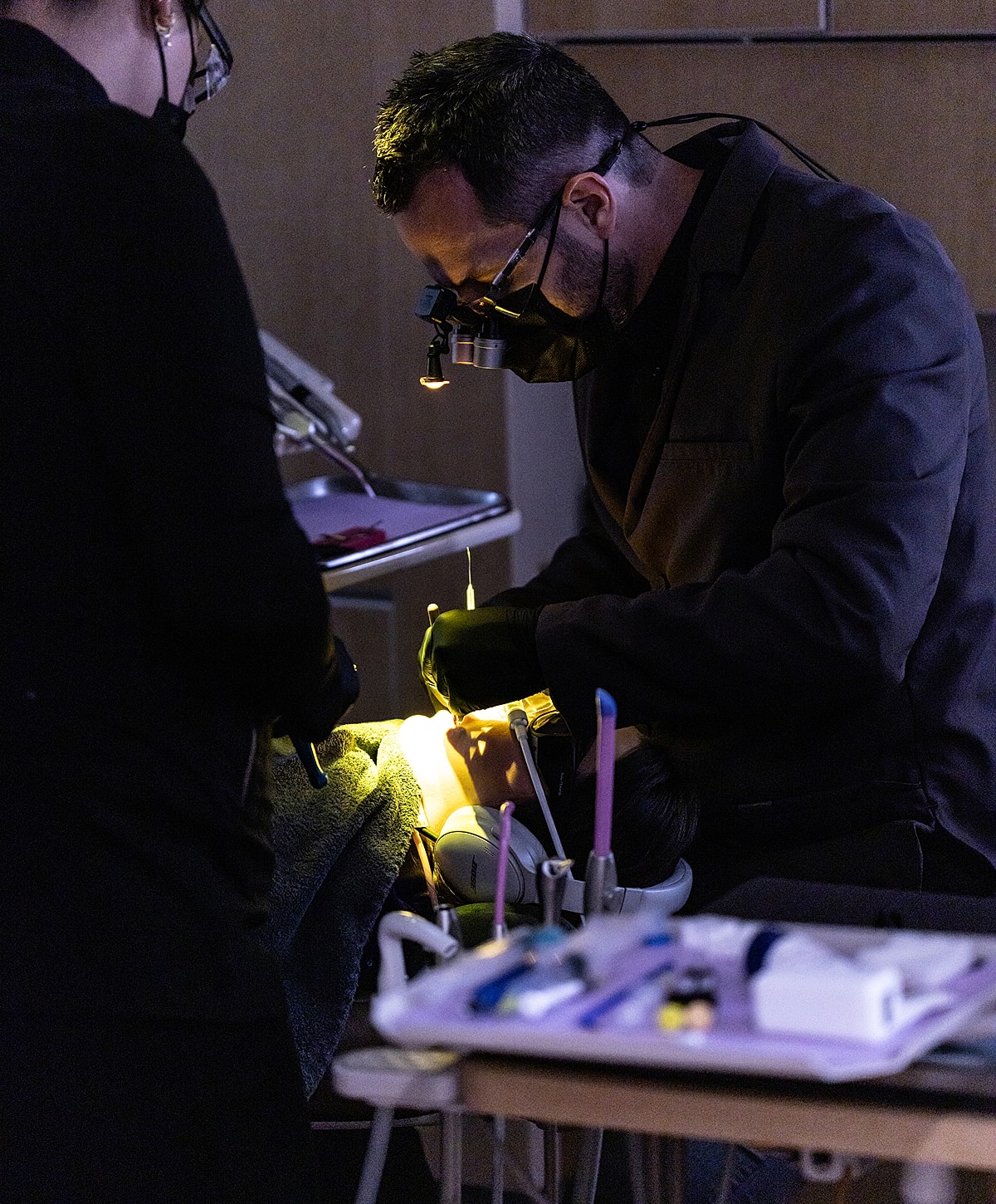
As a patient at the Atlanta Center for Cosmetic Dentistry, you benefit from the expertise of a world-class restorative and cosmetic dental team. Our doctors combine restorative dentistry knowledge with advanced cosmetic principles to create crowns that support both function and facially balanced aesthetics. Digital impressions help streamline treatment planning, while collaboration with premier dental laboratories allows us to achieve exceptional attention to detail in every restoration.
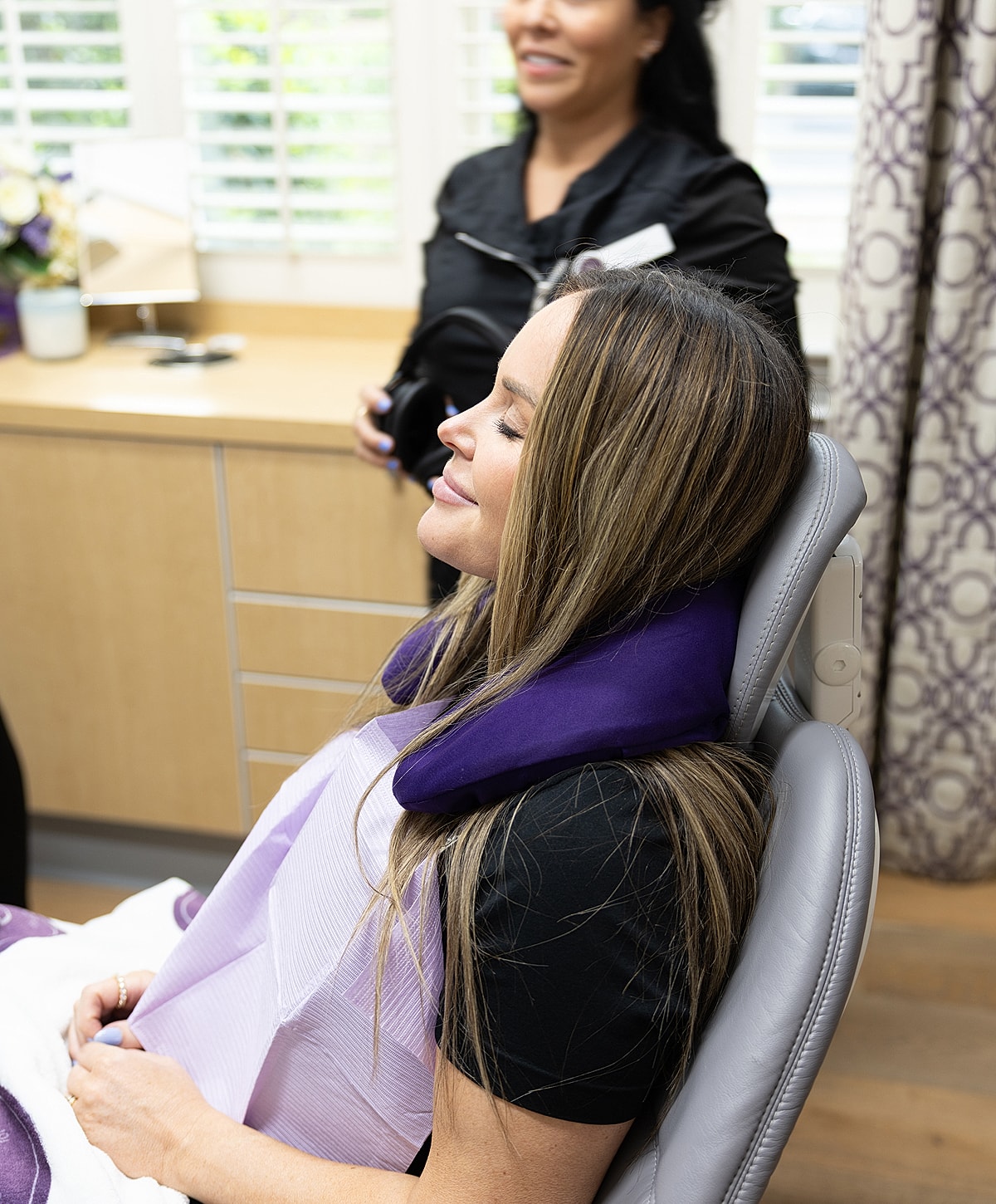
We also make the experience of receiving restorative care as comfortable as possible. From warm neck wraps and plush blankets to noise-canceling headphones and chair-side massage therapy, our practice offers a thoughtful approach to care from beginning to end.

Your dentist administers a local anesthetic to thoroughly numb the treated tooth and surrounding gum tissue during preparation and placement. You should feel no pain during the dental crown procedure, though mild, temporary tooth sensitivity can occur for a few days after treatment.
The cost of a dental crown varies depending on the type of crown material selected, the location of the tooth, and whether preliminary treatments like a root canal are required. Dental insurance policies often cover a portion of restorative crowns. Our team assists with benefit verification and offers flexible financing to keep care accessible.
A dental crown is a single tooth-shaped cap designed to cover one damaged tooth or top an individual dental implant. A dental bridge uses two or more crowns placed on adjacent natural teeth to anchor one or more artificial teeth, spanning a gap left by missing teeth.
When a tooth has extensive decay or a large fracture, a large filling can weaken the remaining enamel walls and increase the risk of structural breakage. A crown encases the entire tooth, distributing chewing forces evenly and reinforcing the tooth against future damage.
Care for a permanent crown just like your natural teeth by maintaining good oral hygiene. Brush twice daily, floss around the base of the crown daily, and visit your dentist regularly for professional cleanings to keep surrounding gums healthy.
Porcelain-fused-to-metal (PFM) crowns combine a supportive metal core with an outer porcelain coating. While PFM crowns provide reliable structural support, ceramic or porcelain crowns are generally preferred for maximum cosmetic harmony. Metal crowns are made from gold or metal alloys and resist wear well. However, due to their metallic color, they are rarely placed in visible areas of the mouth today.